
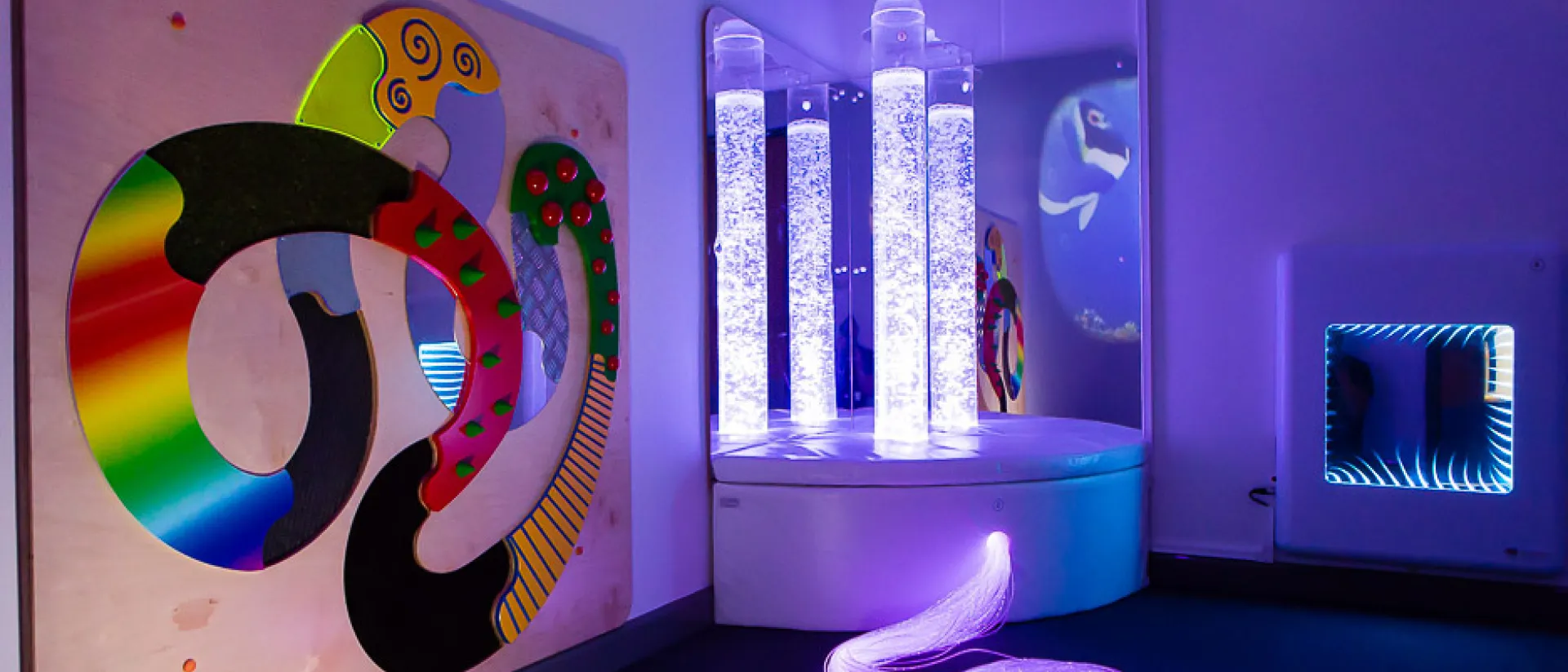
Knowing how to make a sensory room is more than just gathering sensory products and putting them into a designated room, to get the best benefits from your sensory room, each aspect of the room should be carefully considered and planned accordingly. In addition, you’ll need to keep your budget in mind. However, this doesn't necessarily mean you need to have a large budget to create a sensory room, we can help you in exploring options!
How to Design a Sensory Room
Okay, so you've chosen a space that's going to be your sensory room. Great! But before you can start using it, you need to make sure that it's up to standard. Here are the most important factors in creating a sensory room.
- Identifying who will use the space, sensory rooms for different users will look entirely different; making a sensory room for elderly dementia patients won't look the same as making one for young children with ADHD. Set a rough age (e.g. under five, five to twelve, teenagers, young adults, adults or the elderly) and, if possible, work out what disabilities you'll need to cater for. Of course, that isn't always realistic, and if you're creating a public sensory room, it's best to have products catered for a few different users.
- Setting your intention, this is an important step because the room's goal will impact almost every other decision you make. There are plenty of options for how to make a sensory room, you might want a calm space where users can develop core skills or a soft play zone for getting out energy. It might be a multifunctional space, like a bedroom or bathroom, or somewhere to just hang out.
Location
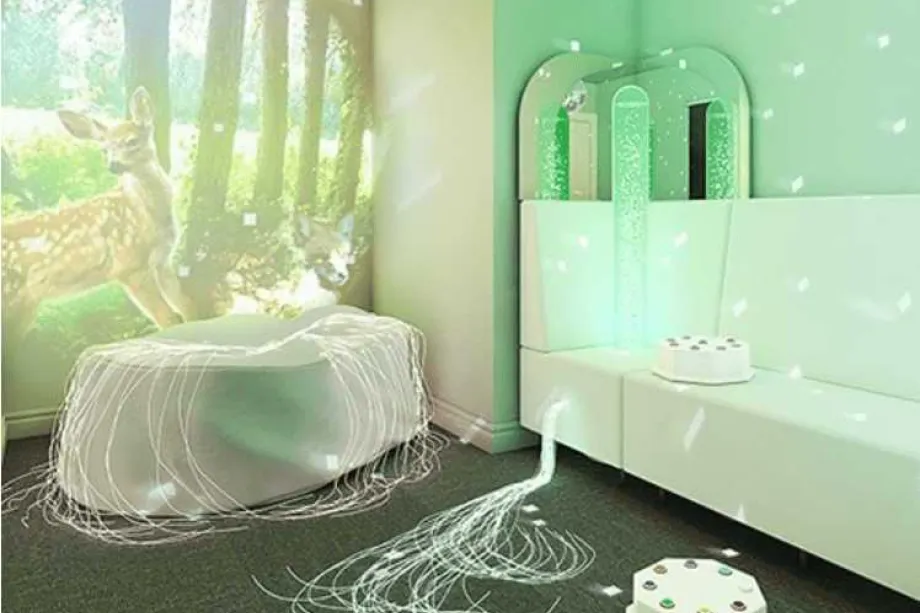
Before you start creating the sensory room, think about the room's physical location. Ideally, it should be a space away from heavy foot traffic and with no windows, to prevent any distraction when the room is in use and allow the sensory products to work effectively. This is particularly true if you intend to make a dark room, as any UV products won't work if it's too bright. If you can't shut out all the light, you could also use a sensory tent.
Room Size
There is no 'right' size for creating a sensory room because it all comes down to who will be using it and for what purpose. At this stage, it's worth jotting down, how many users you anticipate at any one time (we recommend no more than four in one sensory room unless you can effectively cordon the room into sections), what sensory products and features you'd like to incorporate, accessibility needs and the colours you want to include. Colour is widely used in the treatment of many different disabilities. For example, people with ADHD or dyslexia might use tinted overlays (thin pieces of coloured plastic) on top of paper or books to reduce eye fatigue when reading, as a white page can be too bright.
Flooring
There are numerous options when it comes to sensory flooring, from rugs and carpets to vinyl mats and tiles. The choice mostly comes down to what the sensory room is designed to do. If you're looking to create a relaxed sensory room, a carpeted floor may be a good idea as it provides a soft place to sit. Some autistic people, for example, might prefer to sit on the floor rather than on a chair, so making sure it's comfortable for them is ideal. However, if you're encouraging users to run around or get superactive, vinyl mats will provide more protection against bumps or falls (and they won't get carpet burn!). For a really exciting floor in your sensory integration room design, why not try an interactive floor system?
Lighting
Using sensory lighting in a space can help create the right kind of atmosphere while also reducing the harsh glare of white lights. Ambient lighting, like the calming LED light spreader, can create a sensory room that is comforting rather than overwhelming. In addition, the colour-change options can make a more interactive and personalised environment.
Sound
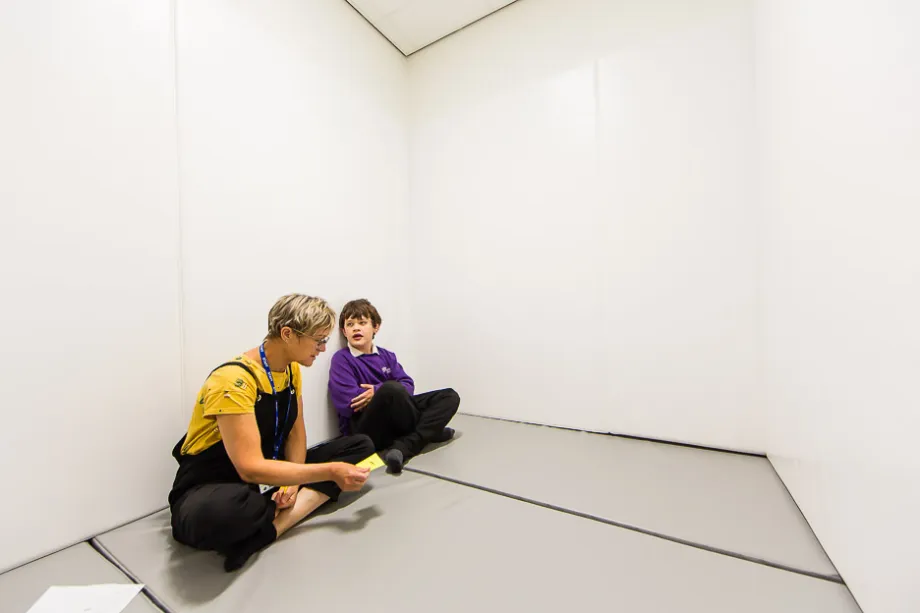
Sound insulation is necessary when designing a sensory room to keep sounds from outside the room distracting the user, and also so that any noise created within the space isn't disruptive for anyone else in the same building. This is particularly important in public sensory rooms, such as in schools or football clubs, where getting away from crowds is important. There are many different ways to provide sound insulation, including lining walls or using sound-dampening tools.
Sensory Integration Room Design with Experia
Wouldn't it be great to see what your new sensory room would look like before work has even begun? At Experia, we can help you every step of the way; we'll help you design a sensory room tailored to your unique requirements.
Our free 3D room design service can be used to create a sensory room model, with your budget and equipment preferences taken into consideration.
If you would like more information about our free sensory integration room design service or how to make a sensory room of your own, please contact us at Experia. For more sensory room ideas, tips and tricks, keep reading our blog.