
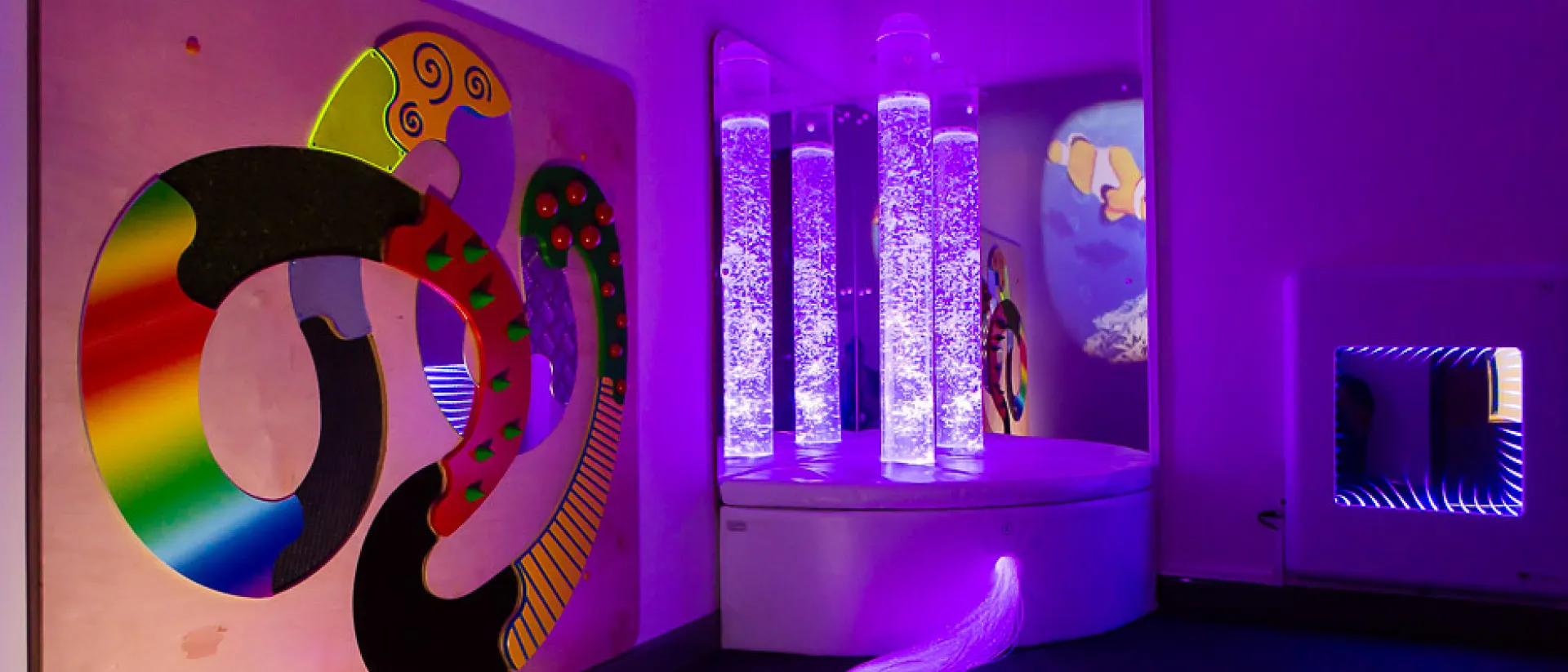
Why Most Sensory Rooms Fail (and How to Make Yours Last 15 Years)
Many sensory rooms start with the right intentions.
They are carefully designed, installed with high-quality equipment, and expected to support users for years to come.
But walk into enough schools, hospitals or public spaces and you will see a different reality.
- Rooms that are partially working.
- Equipment that has been switched off.
- Spaces that are used far less than intended.
Most sensory rooms do not fail overnight. They fail gradually, and for predictable reasons.
The Reality: Sensory Rooms Rarely Fail All at Once
A sensory environment does not suddenly stop working.
Instead, small issues begin to appear:
• a light stops responding
• a switch becomes unreliable
• equipment is removed rather than repaired
• staff begin to lose confidence in the space
Over time, these small issues reduce the effectiveness of the room.
Eventually, the environment becomes inconsistent and difficult to use.
At that point, usage drops.
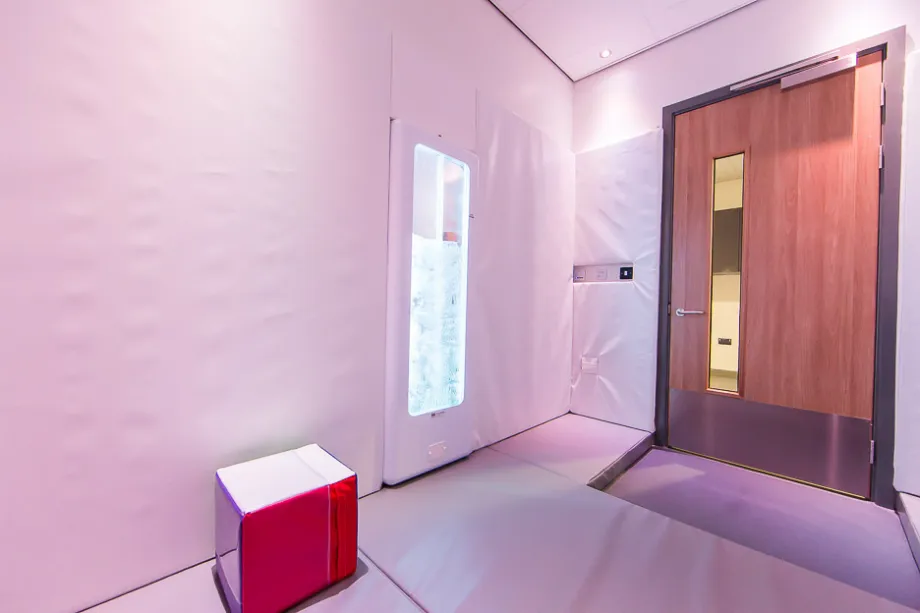
Why Sensory Rooms Fail
In most cases, failure is not caused by poor design or faulty equipment.
It is caused by how the room is managed after installation.
Common issues include:
• no structured maintenance plan
• reactive “fix it when it breaks” approach
• lack of ownership or accountability
• no clear process for reporting or resolving issues
Without a long-term strategy, even well-designed environments will decline.
Download our 15-Year Sensory Room Lifecycle Strategy or speak to our team about designing an environment built for long term use.
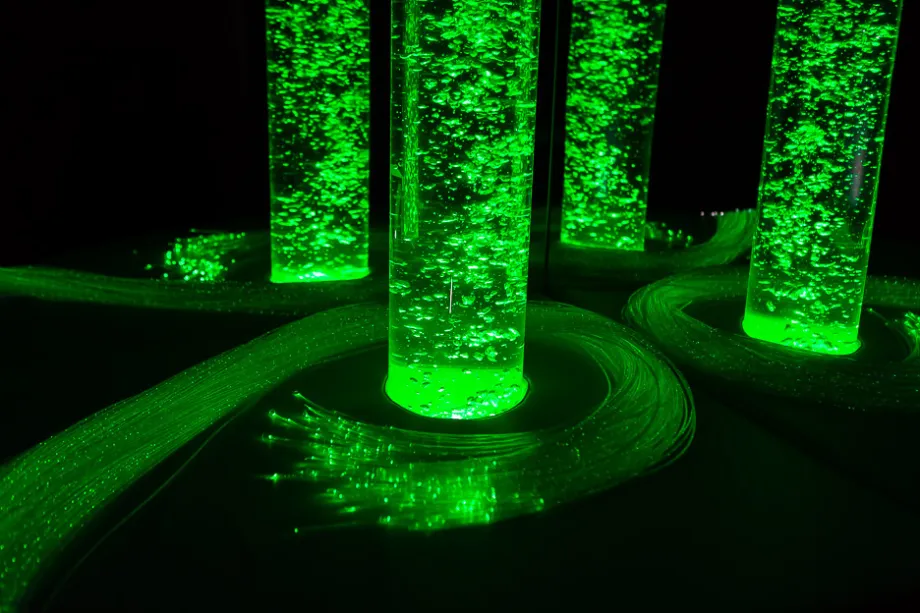
The Myth: Sensory Equipment Doesn’t Last
There is a common assumption that sensory equipment is fragile or short-lived.
In reality, sensory environments can remain in daily use for 10 to 15 years or more when properly supported.
Longevity is achieved through:
• equipment designed for continuous use
• regular preventative maintenance
• consistent day-to-day management
A sensory room is not a one-off installation.
It is a space used daily, often under constant demand.
The Pattern of “Slow Failure”
Sensory rooms tend to follow a consistent pattern when they are not properly maintained:
• minor technical issues are ignored
• equipment is gradually taken out of use
• the room becomes less reliable
• staff stop using it regularly
• the space is eventually abandoned or repurposed
By the time the room is no longer used, the original investment has already been lost.
How to Make a Sensory Room Last 10–15 Years
Sensory environments that remain effective long-term are managed differently.
They are treated as ongoing environments rather than completed projects.
This includes:
• scheduled servicing, typically twice per year
• full testing of all equipment
• safety checks of fixtures and fittings
• system validation to ensure consistent performance
• minor repairs carried out before failure occurs
This approach prevents small issues from becoming major problems.
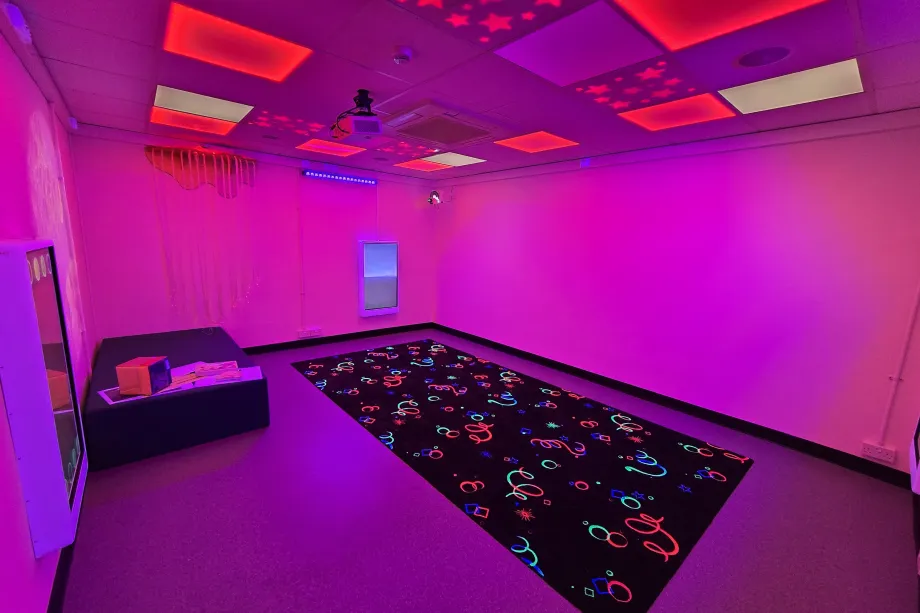
The Role of Ownership
One of the most important factors in long-term success is accountability.
Sensory rooms that remain in use always have a designated person responsible for them.
This person ensures:
• the room is used consistently
• issues are identified early
• maintenance is followed through
• the environment remains part of daily routines
Without ownership, the room quickly becomes nobody’s priority.
Support and Maintenance Matter
Even well-designed environments require ongoing support.
Effective support systems typically include:
• remote guidance for quick issue resolution
• clear repair routes for equipment
• on-site support when required
• predictable response times
The goal is not just to fix problems, but to prevent the room from falling out of use.
What Long-Term Success Looks Like
When sensory environments are properly managed, the difference is clear:
• consistent daily use
• higher staff confidence
• reliable support for users
• extended lifespan of 10 to 15 years or more
Instead of becoming underused, the room remains a valuable part of the organisation.
From Installation to Daily Operation
Most sensory rooms do not fail because they were designed badly.
They fail because there is no plan for what happens after installation.
The environments that last are treated as living spaces, not one-off purchases.
Want to ensure your sensory room delivers long-term value?
Download our 15-Year Sensory Room Lifecycle Strategy or speak to our team about designing an environment built for long term use.