
Project overview
Project Type: Multi-sensory environment
Location: Bridgwater, United Kingdom
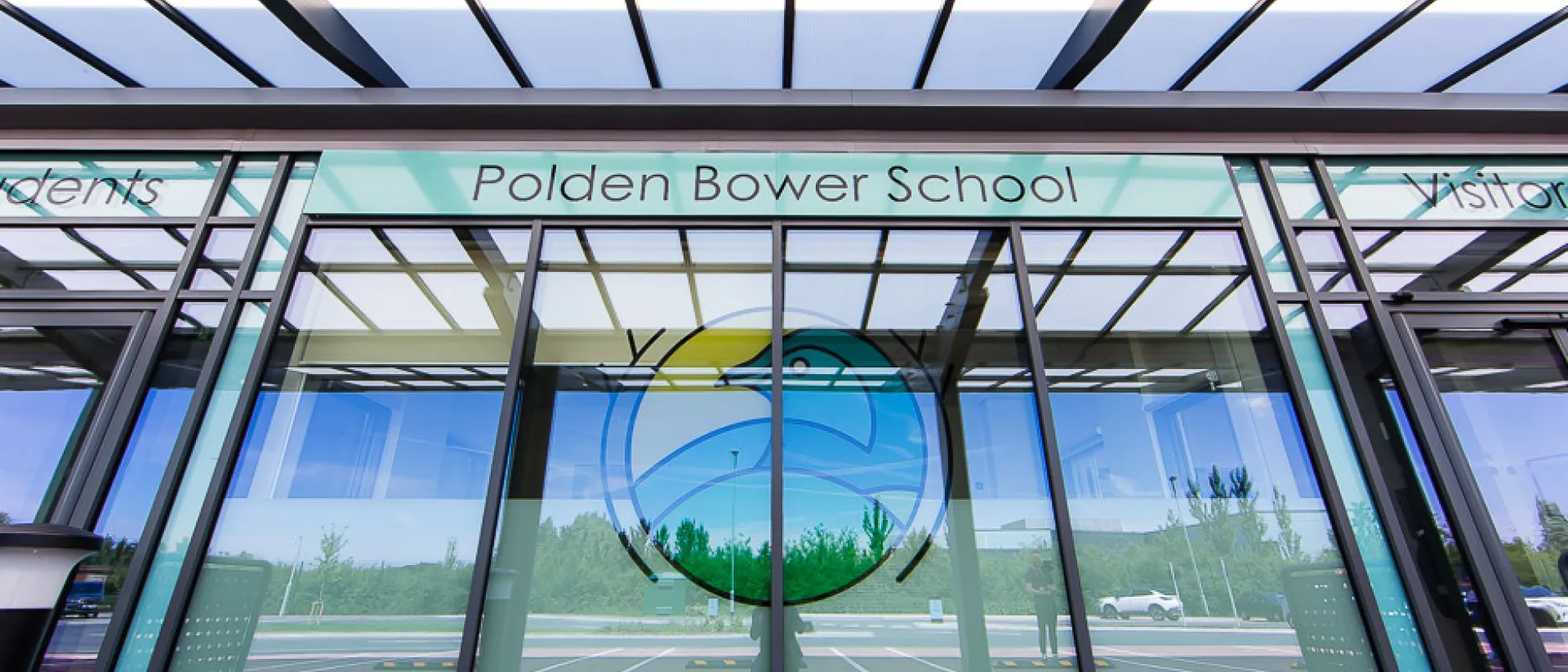
Client: Polden Bower School
Sector: Education / Special Educational Needs
Primary Users: Pupils with complex learning and sensory needs
Introduction
Polden Bower School is a specialist setting for pupils with a wide range of complex learning needs. The school is known for its commitment to creating nurturing environments that help pupils engage with learning and regulate sensory experiences.
To enhance this provision, the school introduced a dedicated sensory environment designed to offer a calm space where pupils can explore sensory experiences and manage sensory input.
This project forms part of the school’s wider approach to meeting the needs of pupils with additional sensory and communication challenges.
The challenge
Pupils at Polden Bower School have a wide range of sensory needs, and some can find busy classroom environments overwhelming.
Noise, movement and the pace of classroom activity can make it difficult for some students to regulate sensory input or remain focused on learning tasks.
The school wanted to create a dedicated sensory environment where pupils could step away from the classroom and engage with carefully designed sensory experiences that support relaxation, communication and sensory regulation.
The challenge was to design a sensory space that would support a wide range of pupils while remaining flexible enough for staff to use during both structured sessions and unstructured relaxation.
Client perspective
“We wanted to create a space where pupils could explore sensory experiences in a calm and supportive environment. The sensory room has become an important resource for supporting our students throughout the school day.”
Helen Farnell, Headteacher, Polden Bower School
Experia design approach
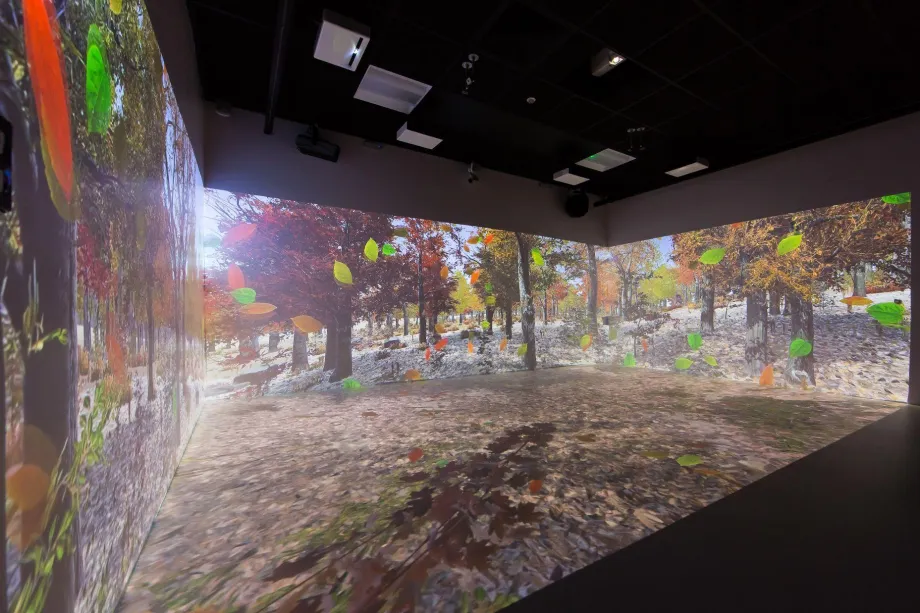
Experia worked closely with the school team to design a sensory environment that supports both sensory regulation and sensory exploration.
The design focused on creating a calm atmosphere where pupils can engage with sensory elements at their own pace while remaining safe and comfortable.
Key design considerations included:
• providing a calming environment that contrasts with busy classroom spaces
• incorporating visual sensory elements that encourage engagement
• creating comfortable seating areas for relaxation
• ensuring the environment is flexible enough for staff to use during different types of activities
The result is a multi-sensory environment that supports both wellbeing and learning.
Key sensory features
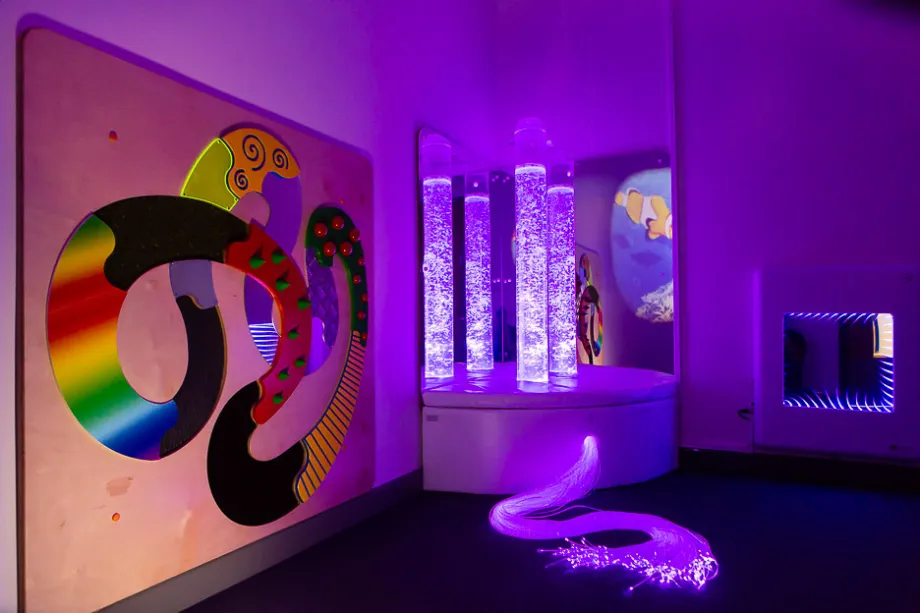
The sensory environment includes a range of sensory elements designed to support engagement and relaxation.
Features include:
• bubble tube lighting providing calming visual movement
• fibre optic lighting encouraging visual exploration
• soft seating areas where pupils can relax
• interactive sensory elements designed to encourage engagement
These features create a supportive environment where pupils can explore sensory experiences in a safe and structured setting.
Before and after transformation
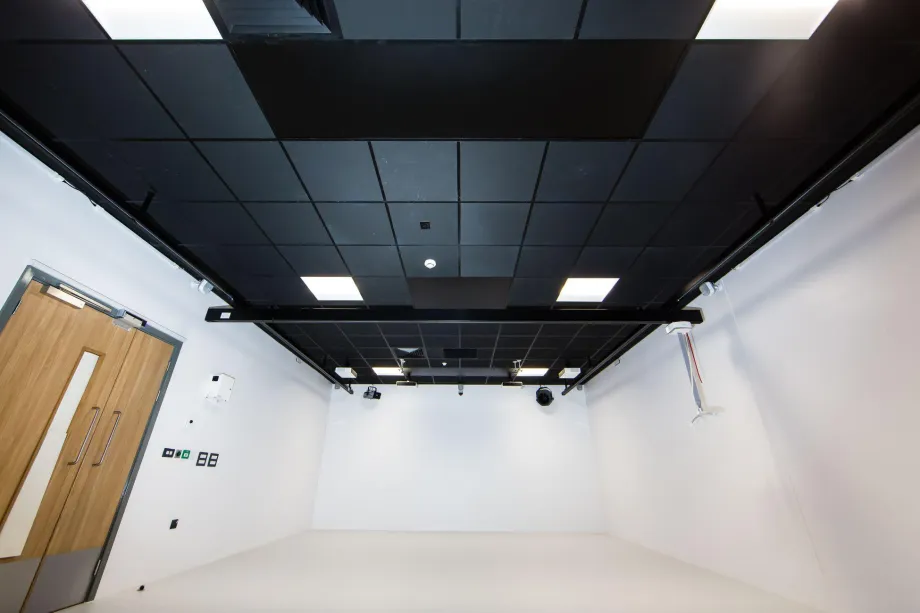
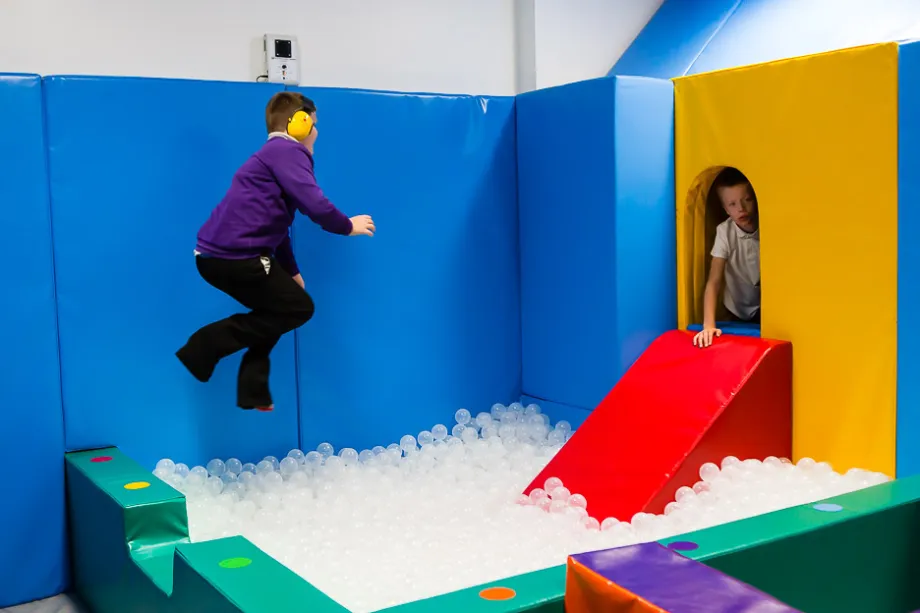
Before the installation, the available space within the school did not provide a dedicated environment where pupils could regulate sensory input.
Through careful design and installation, the area was transformed into a multi-sensory environment that now supports pupils throughout the school day.
The space has become an important part of the school’s approach to supporting pupils with complex sensory needs.
How the space is used
Students use the sensory environment during the school day when they need a calm space to regulate sensory input.
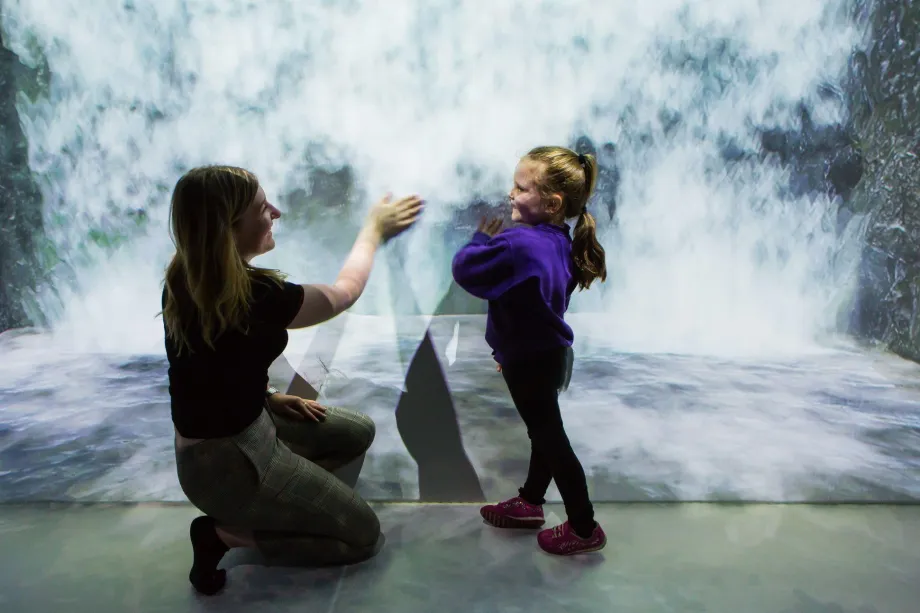
Staff also use the room during structured sensory sessions designed to support communication, interaction and sensory development.
The room provides a flexible environment that supports both relaxation and learning activities.
The outcome
The sensory environment at Polden Bower School has become a valuable resource for both pupils and staff.
By providing a dedicated space where pupils can regulate sensory input, the school has enhanced its ability to support students with complex needs.
The project demonstrates how carefully designed sensory environments can play an important role in supporting learning and wellbeing in specialist education settings.
The Experia perspective
“Specialist schools play a crucial role in supporting pupils with complex needs. Sensory environments provide a space where students can explore sensory experiences and regulate sensory input in a supportive environment.”
Gareth Jones, Founder and CEO, Experia
Delivered during the pandemic and despite significant site challenges, Polden Bower School now stands as a benchmark for modern SEN design — with Experia’s sensory environments playing a central role in that success.
Learn more about sensory environments
What Is a Sensory Room
Sensory Room Design Guide
Sensory Room Equipment Guide
Sensory Room Planning Guide
Sensory Room Cost Guide
Related projects
Wembley Stadium Sensory Rooms
Miocare Healthcare Sensory Environment
Sheringham Woodfields School Sensory Room
Planning a sensory environment?
Experia designs and installs sensory environments for schools, healthcare organisations and public venues around the world.
If you are planning a sensory environment and would like expert advice, our team would be happy to help.
Speak to a Sensory Environment Specialist
or